

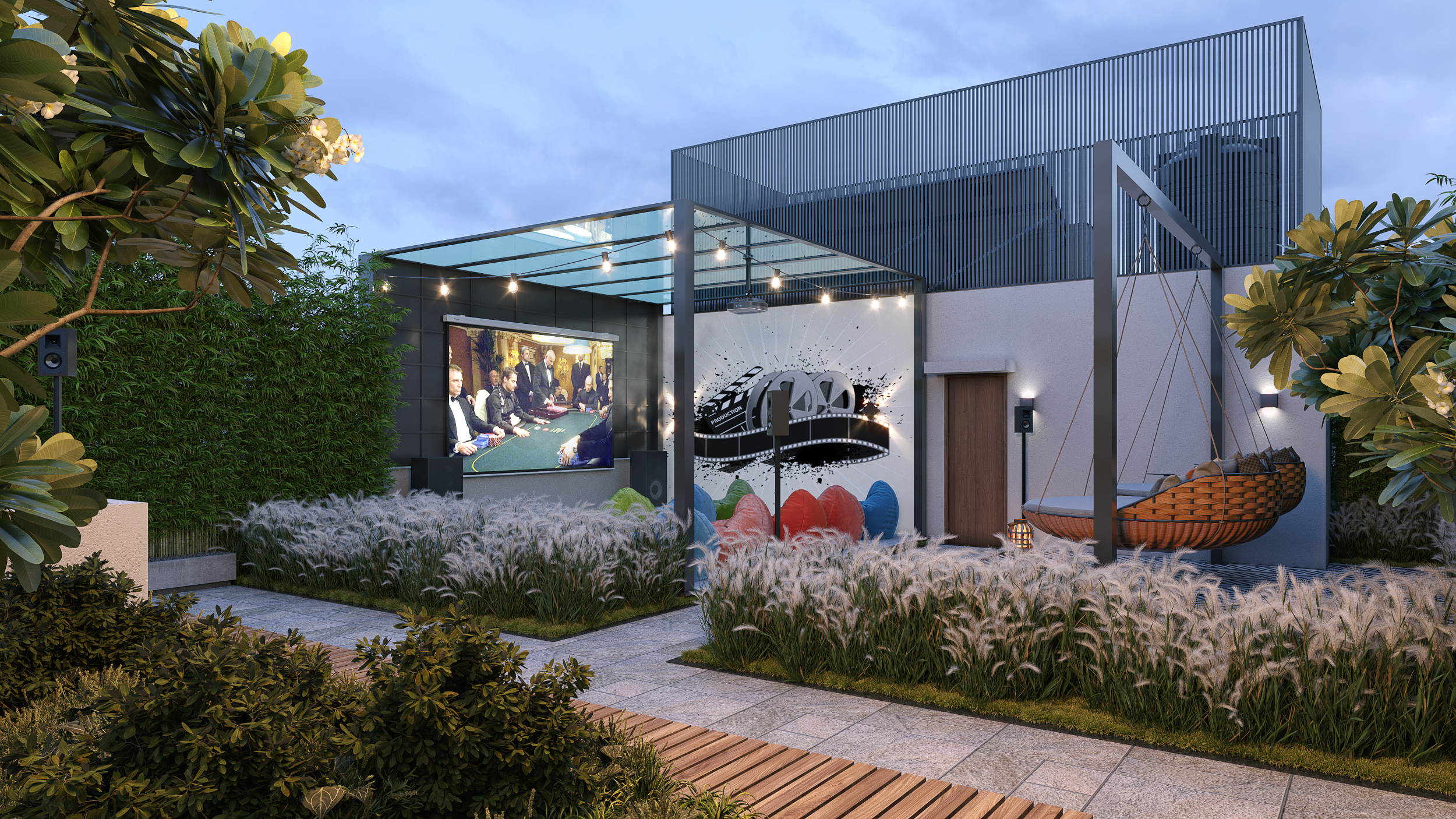
 For hundreds of years, architecture has been built on 2D drawings and blueprints to share ideas. Although these old-school strategies are still cornerstones, the field has quickly moved towards 3D visualization as the new norm.
At Ardos Studio, we have experienced both methodologies and observed how 3D rendering transforms collaboration between architects, developers, and clients. In this blog post, we will contrast traditional drawings with current 3D visualization in order to assist you in comprehending which is best in 2025.
Traditional Drawings: The Historic Root
2D drawings — floor plans, elevations, and sections — remain critical for technical precision. They:
- Offer precise dimensions and specifications.
- Serve as the basis of construction documentation
- They are clearly understood by contractors and engineers.
Yet for non-architecture-trained clients, these drawings may seem abstract and hard to comprehend. A design that is aesthetically pleasing on paper may not evoke the same feeling when realized.
3D Visualization: The New Standard
3D rendering converts technical information into real-looking images or animations. These images present a project as it will be in real life, with materials, lighting, and textures.
Advantages of 3D visualization are:
- Clear understanding immediately for non-technical stakeholders.
- Quickly test numerous design options.
- Marketing imagery ready for websites, brochures, and investor presentations.
- Immersive experiences via 360° walkthroughs or VR tours.
Why 3D Visualization Wins in 2025
The design world is more client-focused than ever, and images are at the center of making decisions. Stakeholders in 2025 want immersive, realistic previews before they will approve.
That is not to say 2D drawings are dead — they are still fundamental for building — but 3D rendering is now the language of salesmanship and advertising.
Ardos Studio’s View
We have just completed a residential property development where 2D drawings and 3D renders were both furnished. Though the drawings are acceptable for technical teams, it was the 3D images and flythroughs that influenced the investors to provide funding. The lesson: both tools are useful but renders make decisions.
Conventional drawings lay the groundwork, but 3D visualization generates enthusiasm and confidence. Both work together to form an entire set of tools for contemporary architecture — but by 2025 and beyond, 3D rendering is the competitive advantage.
Here at Ardos Studio, we’re experts in producing dramatic visuals that augment your technical specifications and secure approvals, investors, and customers.
Want to experience the difference yourself?
Send us one of your designs, and we’ll create a free sample render to show how powerful 3D visualization can be.


Leave a Reply